
How to Choose the Right Veterinary Ultrasound System for Your Clinic
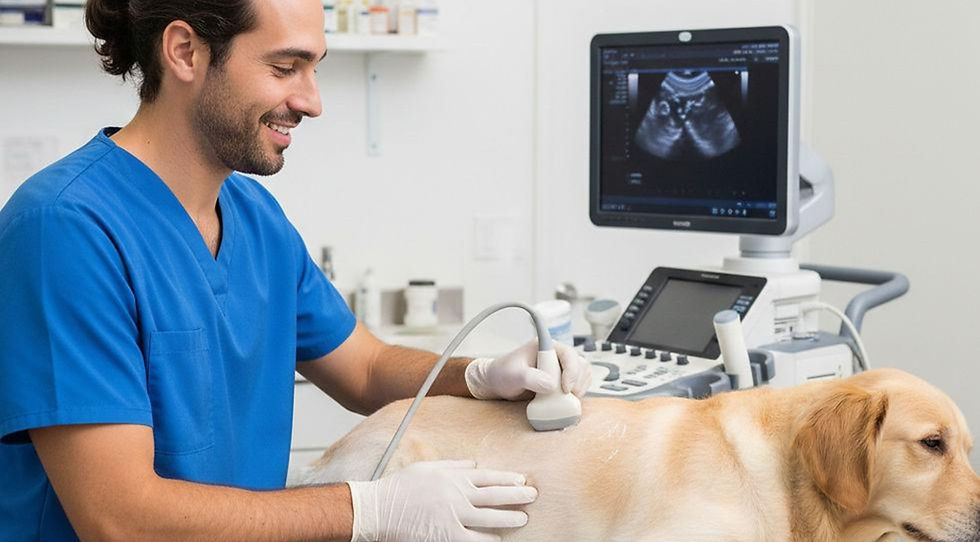
Choosing the right veterinary ultrasound system is essential for accurate diagnosis and efficient patient care. Modern ultrasound technology helps veterinarians evaluate abdominal organs, monitor pregnancy, and perform cardiac assessments in dogs and cats.
When selecting an ultrasound system, veterinarians should consider image quality, available probes, Doppler capabilities, cardiac imaging performance, ease of use, and after-sales technical support.
At HAZANOVA, we are committed to providing veterinary professionals with reliable diagnostic equipment and practical solutions designed to support everyday clinical needs. Our goal is to help veterinary clinics make informed equipment decisions with confidence.

Veterinary Ultrasound for Dogs and Cats: A Guide for Veterinary Clinics
Veterinary ultrasound is an essential diagnostic tool that helps veterinarians evaluate internal organs, monitor pregnancy, and assess a wide range of medical conditions in dogs and cats. Its non-invasive nature makes it valuable for everyday clinical practice.
Key Benefits of Veterinary Ultrasound
Ultrasound imaging allows veterinarians to examine abdominal organs, evaluate fluid accumulation, assist with pregnancy assessments, and perform cardiac examinations when the system is equipped with appropriate cardiac imaging capabilities.
How to Choose the Right Ultrasound System
When selecting a veterinary ultrasound machine, clinics should consider image quality, probe selection, Doppler functions, cardiac capabilities, software features, and ease of use. The right combination depends on the clinic's patient population and diagnostic needs.
Choosing Equipment with Confidence
Reliable technical support, warranty coverage, training, and access to replacement parts are also important considerations when investing in diagnostic equipment.
HAZANOVA is committed to supporting veterinary professionals with diagnostic equipment solutions designed to meet the practical needs of modern veterinary clinics.
Veterinary Endoscopy: Benefits and Clinical Applications
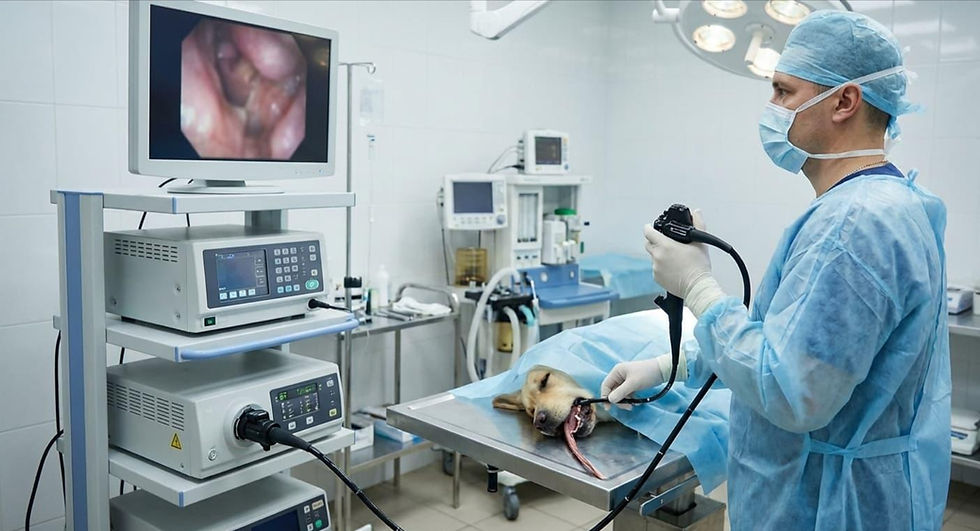
Veterinary endoscopy is a minimally invasive diagnostic technique that allows veterinarians to examine the inside of certain organs and body cavities using a camera-equipped instrument. It can provide valuable visual information while helping reduce the need for more invasive diagnostic procedures in selected cases.
Common Applications of Veterinary Endoscopy
Depending on the equipment and clinical indication, endoscopy can be used to examine the esophagus, stomach, and portions of the intestinal tract. It may also assist with foreign-body retrieval, tissue sampling, and selected respiratory examinations.
What Should Clinics Consider When Choosing an Endoscopy System?
Important factors include image quality, scope diameter and length, working-channel specifications, compatibility with accessories, sterilization requirements, and ease of maintenance.
Veterinary clinics should select equipment appropriate for their typical patients, intended procedures, and staff experience.
Supporting Modern Veterinary Practice
At HAZANOVA, our goal is to help veterinary professionals explore practical equipment solutions that support diagnostic capabilities and patient care.
Essential Anesthesia and Monitoring Equipment for Veterinary Clinics
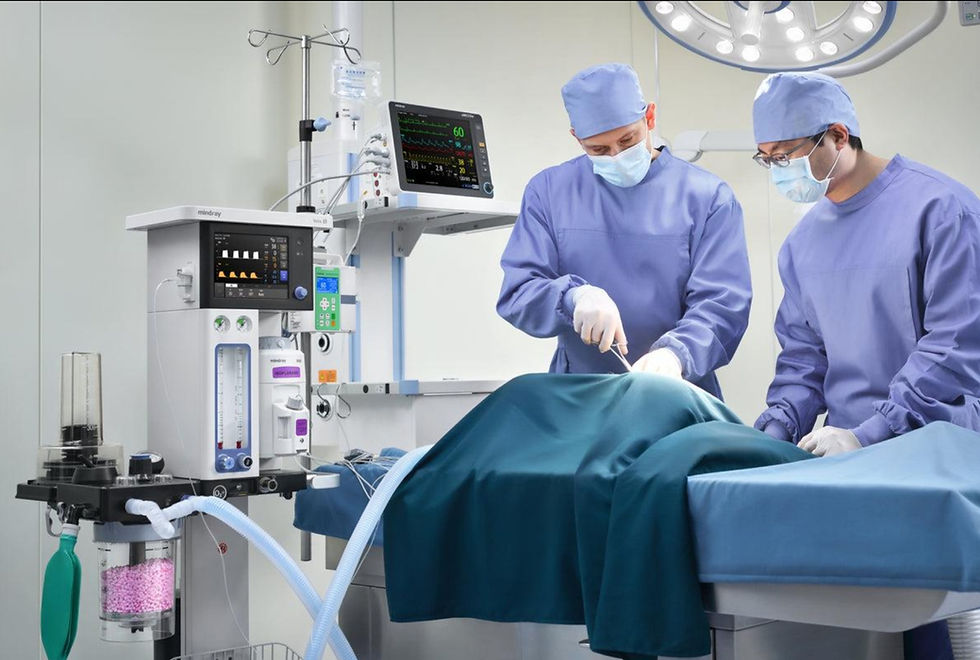
Safe anesthesia requires appropriate equipment, careful patient assessment, and continuous monitoring throughout the anesthetic period. Veterinary anesthesia machines and multiparameter monitors play important roles in supporting patient care during surgical and diagnostic procedures.
Essential Equipment for Veterinary Anesthesia
An anesthesia machine delivers anesthetic gases according to the system's configuration and clinical requirements. A multiparameter patient monitor helps the veterinary team assess important physiological measurements during anesthesia.
Depending on the monitor and its installed capabilities, parameters may include ECG, heart rate, oxygen saturation (SpO₂), respiratory rate, blood pressure, temperature, and capnography.
What Should You Consider When Selecting Equipment?
Before purchasing, clinics should evaluate the intended patient sizes, available monitoring parameters, alarm functions, compatibility with accessories, maintenance requirements, staff training, and technical support.
Equipment capabilities vary by model, so clinics should verify the manufacturer's specifications before making a purchase.
Building a Reliable Veterinary Operating Room
Selecting suitable anesthesia and monitoring equipment is an important part of preparing a veterinary surgical environment. Appropriate training, equipment maintenance, and established monitoring protocols are equally important.
HAZANOVA aims to provide veterinary professionals with practical equipment solutions to support modern clinical and surgical care.