
Essential Surgical Instruments for Veterinary Clinics

Veterinary clinics play a crucial role in ensuring the health and well-being of animals. Just like human hospitals, these clinics require a variety of specialized tools and instruments to perform surgeries effectively. Understanding the essential surgical instruments used in veterinary practices can help both veterinary professionals and pet owners appreciate the complexity and care involved in animal healthcare. This blog post will explore the key surgical instruments commonly found in veterinary clinics, their uses, and why they are important.
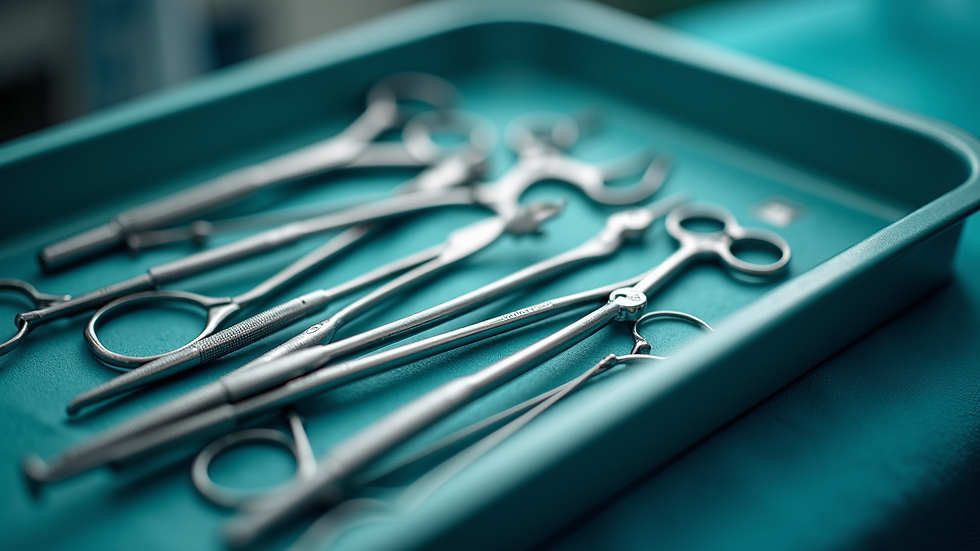
Understanding Surgical Instruments
Surgical instruments are tools designed to perform specific tasks during surgical procedures. In veterinary medicine, these instruments are tailored to accommodate the unique anatomy of different animal species. The right tools not only enhance the efficiency of surgical procedures but also minimize the risk of complications.
Categories of Surgical Instruments
Surgical instruments can be categorized based on their functions. Here are the primary categories:
Cutting Instruments: These are used to make incisions in tissues. Examples include scalpels and scissors.
Grasping Instruments: These tools help hold or manipulate tissues. Forceps and clamps fall into this category.
Hemostatic Instruments: These are designed to control bleeding during surgery. Hemostats and clamps are commonly used.
Suction Instruments: These tools help remove fluids from the surgical site, ensuring a clear view for the surgeon.
Miscellaneous Instruments: This category includes a variety of tools that do not fit neatly into the other categories, such as needle holders and retractors.
Essential Surgical Instruments for Veterinary Clinics
1. Scalpels
Scalpels are fundamental cutting instruments in any surgical setting. They come in various sizes and shapes, allowing veterinarians to choose the appropriate one for the specific procedure. The blades are typically made of stainless steel for durability and sharpness.
Uses: Scalpels are primarily used for making incisions in the skin and other tissues. They are essential for surgeries ranging from routine spaying and neutering to more complex procedures.
2. Surgical Scissors
Surgical scissors are another vital cutting instrument. They come in different types, including:
Metzenbaum Scissors: Ideal for cutting delicate tissues.
Mayo Scissors: Used for cutting tougher tissues and sutures.
Uses: Scissors are used to cut tissues, sutures, and other materials during surgical procedures. Their design allows for precision and control.
3. Forceps
Forceps are grasping instruments that come in various shapes and sizes. They are essential for holding tissues, sutures, and other materials during surgery. Some common types include:
Adson Forceps: Used for grasping delicate tissues.
Allis Forceps: Designed for holding heavier tissues.
Uses: Forceps are crucial for manipulating tissues and ensuring a clear surgical field. They help maintain control during delicate procedures.
4. Hemostatic Clamps
Hemostatic clamps, or hemostats, are designed to control bleeding during surgery. They come in various sizes and shapes, including straight and curved designs.
Uses: These instruments are used to clamp blood vessels and tissues to prevent excessive bleeding. They are essential in almost every surgical procedure.
5. Needle Holders
Needle holders are specialized instruments used to hold needles while suturing. They provide a secure grip, allowing for precise control during the suturing process.
Uses: Needle holders are essential for closing incisions and wounds. They help ensure that sutures are placed accurately and securely.
6. Suction Devices
Suction devices are used to remove blood, fluids, and debris from the surgical site. This helps maintain a clear view for the surgeon and reduces the risk of complications.
Uses: Suction devices are crucial in procedures where blood loss is a concern. They help keep the surgical area clean and visible.
7. Retractors
Retractors are used to hold back tissues and organs, providing better access to the surgical site. They come in various shapes and sizes, including handheld and self-retaining types.
Uses: Retractors are essential for exposing the surgical area, allowing veterinarians to work more efficiently and safely.
Importance of Quality Surgical Instruments
Using high-quality surgical instruments is vital for successful outcomes in veterinary surgeries. Poor-quality tools can lead to complications, increased recovery times, and even surgical failures. Investing in reliable instruments not only enhances the efficiency of procedures but also ensures the safety and well-being of the animals.
Factors to Consider When Choosing Surgical Instruments
When selecting surgical instruments for a veterinary clinic, consider the following factors:
Material: Instruments should be made of high-quality stainless steel to ensure durability and resistance to corrosion.
Design: Ergonomic designs can improve comfort and control during procedures.
Sterilization: Instruments should be easy to sterilize to prevent infections.
Cost: While quality is essential, consider the budget and choose instruments that provide the best value for money.
Maintenance and Care of Surgical Instruments
Proper maintenance and care of surgical instruments are crucial for their longevity and effectiveness. Here are some tips for maintaining surgical tools:
Cleaning: Instruments should be cleaned immediately after use to prevent blood and tissue from drying on them. Use appropriate cleaning solutions and brushes.
Sterilization: Follow proper sterilization protocols to ensure instruments are free from pathogens before each use.
Inspection: Regularly inspect instruments for any signs of wear or damage. Replace any instruments that are no longer effective.
Storage: Store instruments in a clean, dry environment to prevent corrosion and damage.
Conclusion
Understanding the essential surgical instruments used in veterinary clinics is crucial for both veterinary professionals and pet owners. These tools play a vital role in ensuring successful surgical outcomes and the overall health of animals. By investing in high-quality instruments and maintaining them properly, veterinary clinics can provide the best care possible.
As a pet owner, being aware of these instruments can help you appreciate the complexity of veterinary medicine. If you have any questions about the surgical process or the instruments used, don't hesitate to ask your veterinarian. They are there to ensure the best care for your furry friends.
Comments