
Maximizing Diagnostic Imaging Solutions in Veterinary Medicine

In the world of veterinary medicine, diagnostic imaging plays a crucial role in ensuring the health and well-being of animals. As technology advances, veterinarians have access to a variety of imaging solutions that enhance their ability to diagnose and treat conditions effectively. This blog post explores how to maximize these diagnostic imaging solutions, ensuring that veterinary practices can provide the best care possible for their patients.
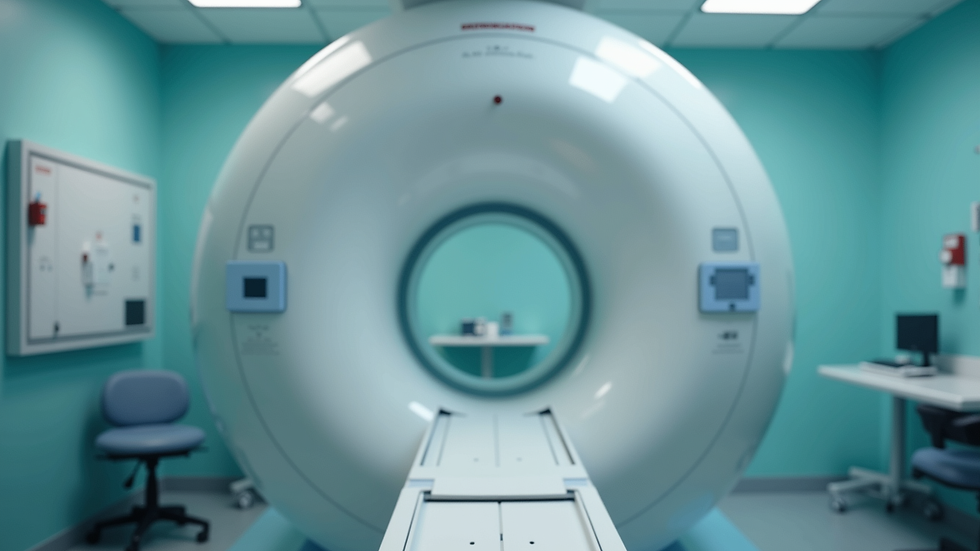
Understanding Diagnostic Imaging in Veterinary Medicine
Diagnostic imaging encompasses several techniques that allow veterinarians to visualize the internal structures of animals. The most common imaging modalities include:
X-rays: Useful for examining bones and detecting fractures or tumors.
Ultrasound: Ideal for soft tissue evaluation, including organs and blood flow.
Computed Tomography (CT): Provides detailed cross-sectional images, useful for complex cases.
Magnetic Resonance Imaging (MRI): Offers high-resolution images of soft tissues, particularly in neurological cases.
Each imaging technique has its strengths and weaknesses, making it essential for veterinary professionals to understand when and how to use them effectively.
The Importance of Choosing the Right Imaging Modality
Selecting the appropriate imaging modality is crucial for accurate diagnosis. Factors to consider include:
Type of Condition: Different conditions require different imaging techniques. For example, X-rays are excellent for bone injuries, while ultrasound is better for soft tissue issues.
Animal Size: Larger animals may require different equipment or techniques compared to smaller pets.
Urgency of Diagnosis: In emergency situations, speed is essential. Some imaging techniques provide quicker results than others.
By carefully evaluating these factors, veterinarians can choose the most effective imaging solution for their patients.
Enhancing Imaging Capabilities with Technology
Advancements in technology have significantly improved diagnostic imaging in veterinary medicine. Here are some ways to enhance imaging capabilities:
Digital Imaging
Digital imaging systems allow for faster processing and easier storage of images. This technology enables veterinarians to:
Quickly access previous images for comparison.
Share images with specialists for remote consultations.
Utilize advanced software for better image analysis.
Portable Imaging Solutions
Portable imaging devices, such as handheld ultrasound machines, provide flexibility in diagnostics. These devices allow veterinarians to perform imaging in various settings, including:
Emergency situations: Quick assessments can be made on-site.
Farm visits: Large animals can be evaluated without the need for transport.
Integration with Electronic Health Records (EHR)
Integrating imaging results with EHR systems streamlines the diagnostic process. This integration allows for:
Comprehensive patient records that include imaging results.
Improved communication among veterinary staff.
Enhanced tracking of treatment progress over time.
Training and Continuing Education
To maximize the benefits of diagnostic imaging, veterinary professionals must stay updated on the latest techniques and technologies. Continuing education opportunities include:
Workshops and seminars: Hands-on training in new imaging technologies.
Online courses: Flexible learning options that cover various imaging modalities.
Conferences: Networking with experts and learning about the latest advancements in veterinary imaging.
Investing in training ensures that veterinary staff can utilize imaging solutions effectively, leading to better patient outcomes.
Case Studies: Successful Implementation of Imaging Solutions
Case Study 1: Emergency Diagnosis
A veterinary clinic faced a challenging case involving a dog with sudden abdominal pain. Using portable ultrasound, the veterinarian quickly identified fluid accumulation in the abdomen, indicating a possible rupture. This rapid diagnosis allowed for immediate surgical intervention, ultimately saving the dog's life.
Case Study 2: Chronic Condition Management
A cat with chronic kidney disease was monitored using digital X-rays over several months. By comparing images, the veterinarian could assess the progression of the disease and adjust treatment plans accordingly. This proactive approach improved the cat's quality of life and extended its lifespan.
Overcoming Challenges in Diagnostic Imaging
While diagnostic imaging offers numerous benefits, challenges can arise. Common obstacles include:
Cost of Equipment: High-quality imaging equipment can be expensive. Veterinary practices must evaluate their budgets and consider financing options.
Staff Training: Ensuring all staff are trained to use imaging equipment effectively is essential. Regular training sessions can help mitigate this issue.
Client Communication: Explaining the need for imaging to pet owners can be challenging. Clear communication about the benefits and necessity of imaging can help alleviate concerns.
By addressing these challenges, veterinary practices can fully leverage the advantages of diagnostic imaging.
Future Trends in Veterinary Diagnostic Imaging
As technology continues to evolve, several trends are emerging in veterinary diagnostic imaging:
Artificial Intelligence (AI)
AI is beginning to play a role in image analysis, helping veterinarians identify abnormalities more quickly and accurately. This technology can assist in:
Automated image interpretation: Reducing the time spent analyzing images.
Predictive analytics: Identifying potential health issues before they become critical.
Advanced Imaging Techniques
Emerging imaging techniques, such as functional MRI and advanced ultrasound technologies, are being developed to provide even more detailed insights into animal health. These advancements may lead to:
Improved diagnostic accuracy.
Better treatment planning based on detailed imaging results.
Conclusion
Maximizing diagnostic imaging solutions in veterinary medicine is essential for providing high-quality care to animals. By understanding the various imaging modalities, enhancing capabilities with technology, investing in training, and addressing challenges, veterinary practices can significantly improve their diagnostic processes. As technology continues to advance, staying informed about new trends will ensure that veterinarians can offer the best possible care for their patients.
Veterinary professionals should embrace these advancements and continue to seek out opportunities for improvement. By doing so, they can enhance their diagnostic capabilities and ultimately improve the health and well-being of the animals they serve.
Comments