
Innovations in Veterinary Ultrasound Technology

Veterinary medicine has seen remarkable advancements over the past few decades, particularly in diagnostic imaging. Among these innovations, ultrasound technology stands out as a game-changer for veterinarians. This non-invasive imaging technique provides real-time insights into the health of animals, allowing for quicker diagnoses and better treatment plans. In this blog post, we will explore the latest innovations in veterinary ultrasound technology, their applications, and the benefits they bring to both veterinarians and pet owners.
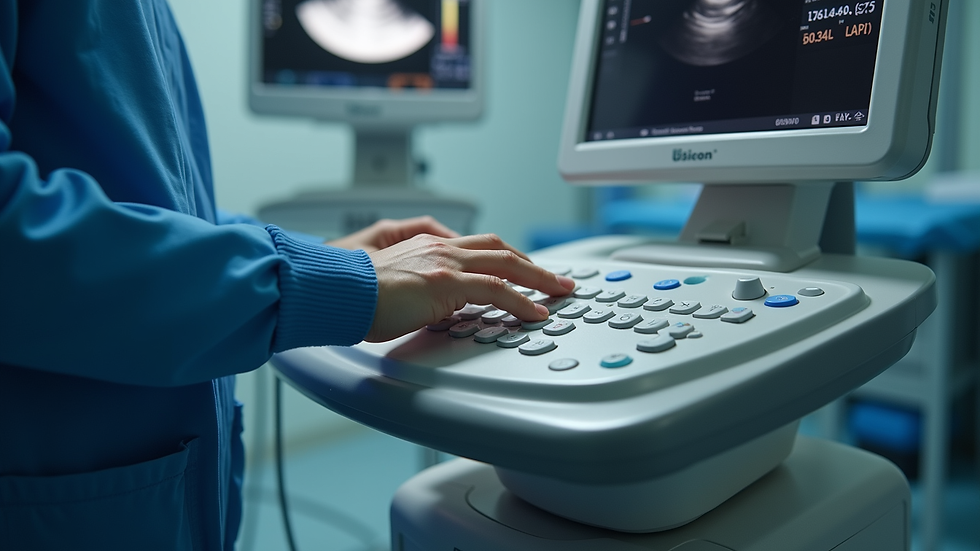
Understanding Veterinary Ultrasound Technology
Veterinary ultrasound technology uses high-frequency sound waves to create images of an animal's internal structures. Unlike X-rays, ultrasound does not involve radiation, making it a safer option for both animals and their handlers. The technology is widely used for various purposes, including:
Pregnancy diagnosis: Ultrasound can confirm pregnancy in animals and monitor fetal development.
Organ assessment: It helps veterinarians evaluate the size and shape of organs, detect abnormalities, and assess blood flow.
Guided procedures: Ultrasound can assist in guiding needles for biopsies or fluid aspirations.
How Ultrasound Works
Ultrasound machines consist of a transducer that emits sound waves and a computer that processes the echoes received back. The sound waves travel through the body and bounce off different tissues, creating a visual representation of the internal structures. The resulting images can be viewed in real-time, allowing veterinarians to make immediate assessments.
Recent Innovations in Veterinary Ultrasound Technology
The field of veterinary ultrasound is continuously evolving, with several recent innovations enhancing its capabilities. Here are some of the most notable advancements:
1. Portable Ultrasound Machines
Portable ultrasound machines have revolutionized veterinary practices, especially in rural or emergency settings. These compact devices allow veterinarians to perform ultrasounds in various locations, including farms, shelters, and even at home for pets. The convenience of portability means quicker diagnoses and treatment decisions.
2. Enhanced Imaging Techniques
Recent advancements in imaging techniques, such as Doppler ultrasound and 3D imaging, have significantly improved the quality of ultrasound images. Doppler ultrasound allows veterinarians to assess blood flow in real-time, which is crucial for diagnosing conditions like heart disease. Meanwhile, 3D imaging provides a more comprehensive view of complex structures, aiding in surgical planning and education.
3. Artificial Intelligence Integration
The integration of artificial intelligence (AI) into veterinary ultrasound technology is a groundbreaking development. AI algorithms can analyze ultrasound images, identify abnormalities, and even suggest potential diagnoses. This technology not only speeds up the diagnostic process but also reduces the chances of human error, leading to more accurate assessments.
4. Cloud-Based Storage and Sharing
Cloud-based systems allow veterinarians to store and share ultrasound images securely. This innovation facilitates collaboration among veterinary professionals, enabling specialists to review cases remotely and provide second opinions. Additionally, pet owners can access their pets' medical records easily, enhancing communication between them and their veterinarians.
Applications of Veterinary Ultrasound Technology
The applications of ultrasound technology in veterinary medicine are vast and varied. Here are some key areas where ultrasound is making a significant impact:
1. Emergency Medicine
In emergency situations, time is of the essence. Ultrasound technology allows veterinarians to quickly assess critical conditions, such as internal bleeding or organ rupture. The ability to perform rapid diagnostics can be life-saving for animals in distress.
2. Reproductive Health
Ultrasound plays a crucial role in managing reproductive health in animals. It helps veterinarians monitor pregnancies, detect complications, and assess the health of fetuses. This technology is particularly beneficial in breeding programs, ensuring the health of both the mother and her offspring.
3. Oncology
In the field of veterinary oncology, ultrasound is invaluable for diagnosing tumors and assessing their size and location. It aids in staging cancer and determining the best course of treatment. Additionally, ultrasound-guided biopsies allow for precise sampling of suspicious masses.
4. Cardiology
Veterinary cardiology has greatly benefited from advancements in ultrasound technology. Echocardiography, a specialized form of ultrasound, enables veterinarians to evaluate heart function and structure. This non-invasive technique is essential for diagnosing heart disease and monitoring treatment efficacy.
Benefits of Innovations in Veterinary Ultrasound Technology
The innovations in veterinary ultrasound technology offer numerous benefits for both veterinarians and pet owners. Here are some key advantages:
1. Improved Diagnostic Accuracy
With enhanced imaging techniques and AI integration, veterinarians can achieve higher diagnostic accuracy. This leads to more effective treatment plans and better outcomes for animals.
2. Non-Invasive and Safe
Ultrasound is a non-invasive procedure that poses minimal risk to animals. It is safe for use in pregnant animals and can be performed without sedation in many cases.
3. Cost-Effective
While the initial investment in advanced ultrasound technology may be significant, the long-term benefits often outweigh the costs. Early diagnosis can prevent more severe health issues, reducing the need for expensive treatments later on.
4. Enhanced Client Communication
With cloud-based storage and sharing capabilities, veterinarians can easily share ultrasound images with pet owners. This transparency fosters trust and improves communication, allowing pet owners to be more involved in their pets' healthcare decisions.
Challenges and Considerations
Despite the many benefits, there are challenges associated with the adoption of advanced ultrasound technology in veterinary practices. Some of these include:
1. Training and Expertise
Veterinarians must undergo specialized training to effectively use advanced ultrasound machines and interpret the images accurately. Continuous education is essential to keep up with the latest advancements in technology.
2. Cost of Equipment
While portable ultrasound machines are becoming more affordable, high-end models with advanced features can still be costly. Veterinary practices must weigh the benefits against the financial investment required.
3. Accessibility
In some regions, access to advanced veterinary ultrasound technology may be limited. This can create disparities in the quality of care available to pets in different areas.
The Future of Veterinary Ultrasound Technology
As technology continues to evolve, the future of veterinary ultrasound looks promising. Here are some potential developments to watch for:
1. Miniaturization of Devices
Future ultrasound machines may become even smaller and more portable, allowing for greater accessibility in remote areas and emergency situations.
2. Enhanced AI Capabilities
As AI technology advances, we can expect even more sophisticated algorithms that can assist veterinarians in diagnosing and treating a wider range of conditions.
3. Integration with Other Technologies
The integration of ultrasound with other diagnostic tools, such as MRI and CT scans, may provide a more comprehensive view of an animal's health, leading to better treatment outcomes.
Conclusion
Innovations in veterinary ultrasound technology are transforming the way veterinarians diagnose and treat animals. From portable machines to AI integration, these advancements enhance diagnostic accuracy, improve patient care, and foster better communication between veterinarians and pet owners. As the field continues to evolve, we can expect even more exciting developments that will further improve the health and well-being of our beloved pets.
By staying informed about these innovations, pet owners can advocate for their pets' health and ensure they receive the best possible care.
Comments